2026-10-15 · Professional procurement
Low-Turbidity Raw Water: Polymer-Aid Quotation Checklist
Request polymer-aid evidence for low-turbidity raw water without assuming a clear-looking feed needs more chemical or a universal PAM grade.
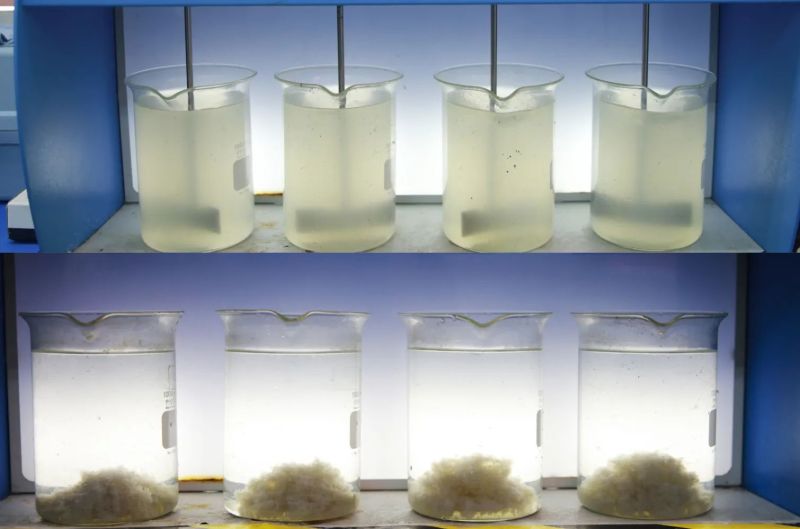
Low-turbidity raw water can pose a different clarification challenge from a visibly muddy supply. A polymer-aid quotation should describe the actual separation objective and existing coagulation conditions. Low turbidity alone neither proves that treatment is unnecessary nor establishes that adding PAM will improve the process. The purchasing question is whether a candidate addresses a demonstrated limitation.
Define the problem before requesting a grade
Record the seasonal source profile and identify the observed issue: unstable floc, poor filter performance or another measured condition. Include pH, alkalinity, temperature and relevant organic-matter information when available. A single turbidity value does not capture all the characteristics that affect treatment.
Confirm that the existing coagulant and mixing program has been reviewed. A polymer should not be ordered merely to conceal an uncontrolled upstream step. Ask the technical team to state what improvement is expected and what result would show that an additional aid is not justified.
Specify a comparative sample plan
Include the incumbent process and a no-polymer control under common test conditions. Request a small, identified candidate set rather than a collection of unlabelled samples. Record preparation water, maturation and dose basis. Keep observation times aligned with the intended treatment process instead of allowing every jar to settle until it eventually looks clear.
Approach Xinqi Polymer with these operating details and consider anionic PAM information only as a product-family starting point. Grade selection and any required drinking-water eligibility must be established separately; this enquiry does not assume that a catalogue product is authorized for potable use.
Judge downstream effects
Compare filter behavior, separated-water quality and sludge handling alongside visible floc. A product that produces larger floc may still be unsuitable if the floc is not retained by the actual separation step. Record dose sensitivity and preparation practicality so procurement can distinguish a robust improvement from a narrow laboratory result.
Keep the commercial decision proportional
If the benefit appears only under one seasonal condition, consider a controlled seasonal supply arrangement rather than assuming continuous demand. Specify the conditions that trigger use or retesting and the evidence needed for routine release. This is professional process selection, not advice to treat clear household water with industrial chemicals. For household concerns, appearance should lead to appropriate information and testing, not an improvised chemical purchase.
Connect the purchase to the water question
For background, read Why Clear Water Does Not Prove Water Safety. Professional buyers can send the application, required evidence and planned quantity through the Xinqi product enquiry; household readers should use the domestic guidance rather than request industrial chemicals.