2026-10-15 · Professional procurement
Non-Potable Rainwater Clarification: PAM Purchase Boundaries
Define the reuse destination, captured-solids handling and trial scope before considering PAM for a professionally managed rainwater system.
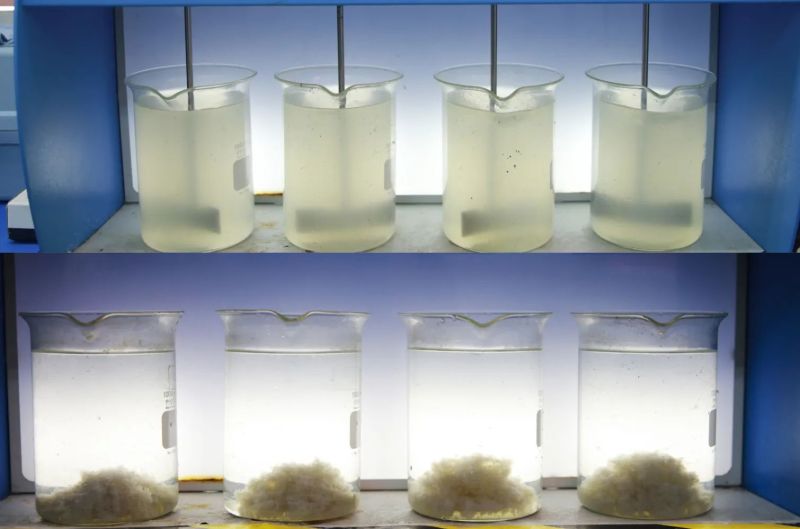
A professionally managed non-potable rainwater system may have a defined solids-separation need, but that does not make PAM a default rain-tank treatment. The purchase decision should start with the reuse destination, source of suspended material and existing physical controls. Clarification does not convert a non-potable supply into drinking water.
Define the use and source conditions
Identify the collection surfaces, storage arrangement, expected flow variation and intended reuse. Ask the responsible specialist which quality and operating requirements apply. Keep the non-potable system's identification and cross-connection controls under the site's approved arrangements. This article does not provide a design for a domestic rainwater installation.
Consider whether source control, screening or another physical step addresses the observed solids more directly. A chemical purchase should have a demonstrated purpose rather than serving as a shortcut around an untreated inflow or overloaded storage system.
Request a relevant comparison
Provide representative samples and the proposed separation equipment. Compare the existing process with candidate conditions under a controlled procedure. Record settling or other separation behavior, outlet solids and the amount of material requiring removal. Do not judge the result solely by whether the top of a bottle appears clear.
Ask Xinqi Polymer about candidate information for the specified professional duty. A related anionic PAM reference may help frame screening questions, but it does not prove suitability for irrigation, washing or any other particular reuse without the required assessment.
Include the captured material
Specify how separated solids are withdrawn and managed. Check whether residual chemicals or other characteristics need assessment for the planned destination. A separation process that creates an unmanaged sludge stream may not be a practical improvement. Record storage and intermittent-operation effects rather than assuming steady laboratory performance continues after long idle periods.
Keep the order within its approved scope
The initial purchase should identify the tested grade, conditions and destination. Any proposed change to potable use requires a separate, qualified treatment and approval process; it cannot be achieved by relabelling the same trial. Household readers should seek suitable local guidance for rainwater systems and should not add industrial polymer to a domestic tank based on a professional clarification example.
Connect the purchase to the water question
For background, read Sustainable Home Water Choices: Maintenance Before Replacement. Professional buyers can send the application, required evidence and planned quantity through the Xinqi product enquiry; household readers should use the domestic guidance rather than request industrial chemicals.