2026-10-15 · Professional procurement
PAM Residual Monomer Documents: Questions Before Procurement
Separate polymer performance from residual-monomer evidence, test reporting and application approval when reviewing PAM supply documents.
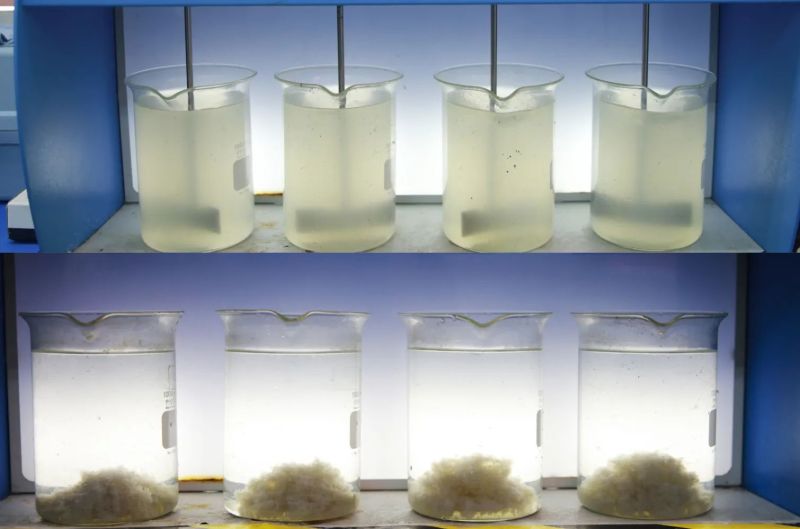
PAM residual-monomer documentation answers a different question from a jar test. Good floc formation does not establish the impurity profile of a product, and a familiar polymer name does not identify the quality of a particular batch. Procurement should request the evidence required for the intended application before releasing material to a treatment system.
State which application is proposed
Identify whether the enquiry concerns industrial water, non-potable reuse or a regulated drinking-water process. Ask the responsible technical team which product and impurity requirements apply. Do not transfer an industrial acceptance sheet to a potable purchase simply because the main polymer chemistry appears similar.
EPA describes acrylamide control through a treatment-technique framework in its treatment-method review. Buyers must obtain current application-specific compliance advice rather than treating a general article as a dosing authorization. No numerical limit or universal operating dose is supplied here.
Ask what the report actually establishes
Request the reported substance, units, analytical method, reporting limit, sample identity and date. Distinguish a typical product specification from a result measured on the delivered batch. If a supplier reports below a detection or reporting limit, ask what that limit is; the wording does not mean the substance is proven absent.
For an enquiry to Xinqi Polymer, specify these documentation needs at the outset. Product-family information such as nonionic PAM is useful for discussing chemistry but cannot establish a batch's residual-monomer result or potable-use eligibility.
Keep identity and exposure questions connected
The responsible operator should evaluate product quality together with the authorized use conditions and proposed process. Purchasing staff should retain the exact formulation and grade references used in that review. A document for a different product concentration or trade designation should be resolved before shipment approval.
Establish a clear release decision
Record who reviewed the evidence, what remains unresolved and what changes require another review. If additional testing is needed, agree the laboratory and sampling method before material is consumed. Do not describe a product as harmless, food grade or drinking-water approved unless the specific claim is supported and applicable. For household readers, the practical boundary is simple: do not buy industrial PAM to add to tap water, a pitcher or a domestic storage tank.
Connect the purchase to the water question
For background, read Polyacrylamide and Home Water: Understand the Professional Boundary. Professional buyers can send the application, required evidence and planned quantity through the Xinqi product enquiry; household readers should use the domestic guidance rather than request industrial chemicals.