2026-10-15 · Professional procurement
Polymer-Aid Purchases: Define Finished-Water Verification
Agree what a professional polymer trial must measure after separation, and distinguish visual clarification from complete treated-water acceptance.
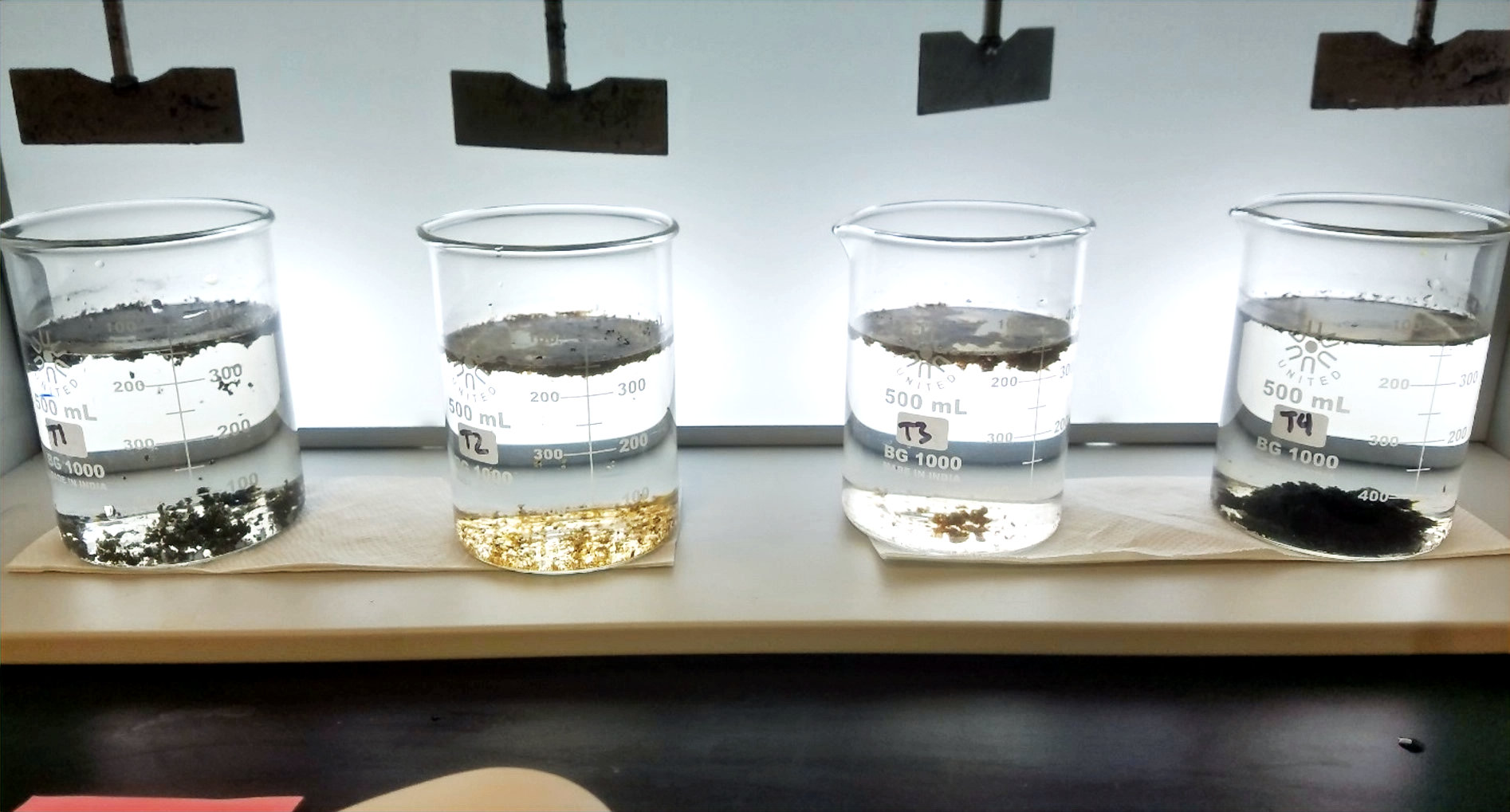
A polymer-aid purchase should define how the treated stream will be accepted after separation. Visual clarification is an observation, not a complete verification plan. Professional buyers need the responsible process and water-quality teams to identify the required measurements, sampling locations and decision criteria before the supplier trial begins.
Define the destination of the treated stream
State whether water proceeds to another treatment step, enters a non-potable reuse process or is part of a drinking-water system. The required evidence depends on that destination. Do not transfer an acceptance condition from one use to another simply because both samples look clear.
List the measurements that the trial is actually designed to evaluate. Keep any additional verification required by the operator visible as separate work. If a supplier can assess only separation performance, describe that limitation honestly rather than treating its report as a full water-quality approval.
Choose meaningful sampling locations
Compare the relevant inlet and outlet on a consistent timeline, allowing for process travel and storage. Include downstream points where the responsible team requires them. A sample taken from a carefully decanted jar can differ from the actual water leaving an operating separator. Record the distinction when interpreting a result.
Ask Xinqi Polymer to identify which trial measurements it can support. Information on nonionic PAM or another candidate family does not establish contaminant removal, residual control or potable approval. These questions need their own appropriate evidence.
Keep analytical claims precise
Use qualified methods for the substances or properties being assessed. Turbidity is not a direct measurement of every contaminant or residual chemical. If a result is reported below a method limit, preserve the limit and units rather than rewriting it as zero. Ask the laboratory to explain any interference or uncertainty relevant to the interpretation.
Make release a documented decision
The order should identify the trial scope, acceptance reviewers and conditions that prevent routine supply. Record missing results and follow-up work before product is used beyond the authorized test. This protects the distinction between selecting a useful separation aid and confirming a complete treatment outcome. Household readers should likewise avoid equating appearance with safety, but should not attempt professional chemical dosing to resolve a domestic water concern.
Connect the purchase to the water question
For background, read Why Clear Water Does Not Prove Water Safety. Professional buyers can send the application, required evidence and planned quantity through the Xinqi product enquiry; household readers should use the domestic guidance rather than request industrial chemicals.