2026-10-15 · Professional procurement
Raw-Water Polymer Trials: Specify the Sampling Service
Define sample locations, timing, handling and laboratory responsibilities before buying a raw-water polymer screening service.
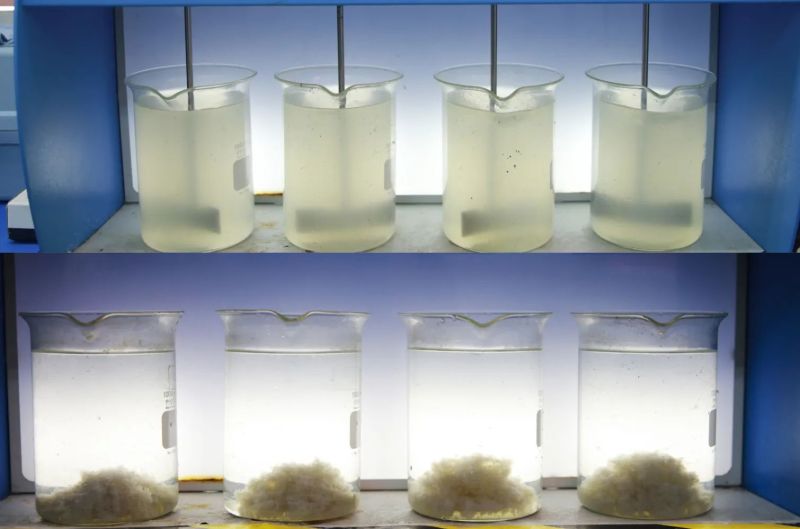
A raw-water polymer screening service is only as useful as the samples supporting it. Before paying for candidate selection, specify where water will be collected, which operating conditions it represents and who is responsible for handling it. A carefully measured laboratory result cannot repair a sample that does not represent the treatment duty.
Start with the decision being purchased
State whether the work is intended to shortlist products, compare a seasonal condition or investigate a specific separation problem. Different questions may require different samples. Identify the process point before chemical addition and explain any unavoidable upstream treatment. Do not label every container raw water if it has already passed through a chemical or separation step.
Discuss sample quantity and timing with the laboratory before dispatch. Ask which measurements need to be made at collection and which handling instructions apply. Avoid adopting a universal preservation method or holding time for all tests; the responsible laboratory should define what is suitable for the planned analysis.
Preserve operating context
Record source, date, temperature where required, plant flow and relevant recent changes. If samples represent different seasons or sources, keep their identities separate. Ask whether the proposed test program needs individual conditions or a justified composite. An unrecorded blend can hide the variation the buyer actually needs to understand.
Provide the sampling brief to Xinqi Polymer before requesting candidates. Related anionic PAM information helps identify a possible product family, but a category recommendation cannot establish that a sample is representative or a grade is eligible for the intended use.
Separate responsibilities in the quotation
Identify who supplies containers, collects water, arranges transport, performs analyses and interprets results. State how delayed, damaged or incorrectly identified samples are handled. Ask whether repeat collection is included or priced separately. This avoids a dispute in which each party assumes another party was responsible for sample quality.
Require a traceable report
The final record should connect each candidate result to its sample and preparation method. It should also identify limitations, not just the preferred product. Operational trials and any potable-use approval remain separate decisions. Household water testing uses its own appropriate sampling instructions and laboratories; sending a kitchen-water bottle for an industrial flocculation demonstration is not a substitute for testing the actual household concern.
Connect the purchase to the water question
For background, read How Often Should You Test Home Water After Installing a Filter?. Professional buyers can send the application, required evidence and planned quantity through the Xinqi product enquiry; household readers should use the domestic guidance rather than request industrial chemicals.