2026-10-15 · Professional procurement
Water-Treatment Residuals: PAM Dewatering Purchase Criteria
Compare PAM on waterworks residuals using feed identity, cake handling, liquid-return quality and disposal arrangements rather than water clarity alone.
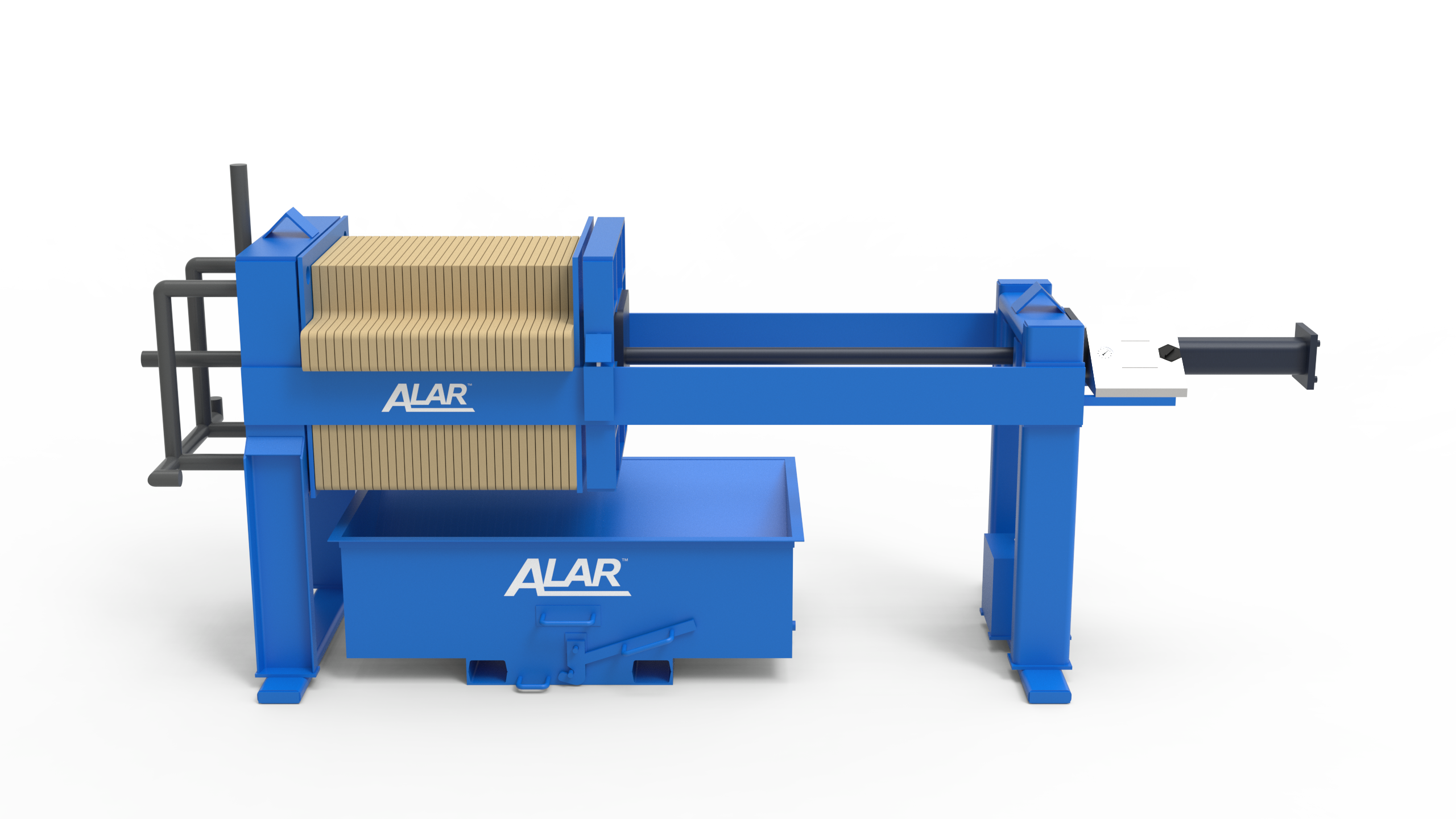
PAM procurement for water-treatment residuals starts with the solids produced by the plant, not with the appearance of the finished water. Residuals may vary when source water or coagulant programs change. The buyer should define the dewatering equipment, return-water destination and disposal requirements before asking suppliers to recommend a grade.
Identify the solids stream
Record which treatment steps contribute to the feed, how solids are stored and whether different batches are blended. Include feed dry solids, temperature and the existing conditioning program. A sample of settled tank material may differ from the sludge actually fed to the machine. Explain that difference in the enquiry rather than assuming all plant residuals are equivalent.
Ask for a candidate set appropriate to the actual press, centrifuge or other separator. Bench screening should use relevant endpoints and lead to a controlled equipment trial. A gravity-settling result alone cannot establish dewatering performance.
Define acceptance on both outlets
Measure cake or thickened-solids properties and the quality of the separated liquid. Identify the liquid-return route and any conditions it must satisfy. A drier cake is not a complete success if capture deteriorates or return water creates additional loading elsewhere in the plant. Record throughput and solids inventory over the same period.
Request grade-specific details from Xinqi Polymer. Information about cationic PAM may support candidate discussions, but it does not mean every residuals stream needs that chemistry. Approval depends on the tested material and applicable process requirements, including any implications of return water.
Include handling and preparation
Check make-down capacity at peak dry-solids loading, solution age and feed-pump range. Ask operators to record cleaning and intervention needs during the trial. Match packaging to the receiving and feeding arrangements. A product that cannot be prepared consistently should not be ranked as equivalent simply because its laboratory cake looks attractive.
Compare the real disposal outcome
Determine which costs vary with wet mass, volume, collection frequency or acceptance conditions. Keep fixed charges separate. Include chemical, preparation and handling costs in the comparison without assuming a guaranteed savings percentage. The initial supply order should name the accepted grade and tested operating range. This is a professional residuals-management purchase, not a proposal to condition domestic drinking water or household filter waste with industrial polymer.
Connect the purchase to the water question
For background, read How Water Clarity Connects Home Habits and Industrial Treatment. Professional buyers can send the application, required evidence and planned quantity through the Xinqi product enquiry; household readers should use the domestic guidance rather than request industrial chemicals.